- Home
- bellitalia
- Promontorio di Portofino


La Portofino di oggi è tutta un'altra cosa: il jet set internazionale ormeggia gli yacht al Molo Umberto I, sempre più sproporzionati rispetto alla delicatezza del luogo; i vacanzieri in crociera lasciano i transatlantici in rada e il turismo mordi-e-fuggi si mette in fila già da Santa Margherita per entrare piano piano nel ventre dell'unico parcheggio pubblico costruito in Piazza della Libertà, la piazza con un nome, messa dietro l'altra piazzetta, molto più famosa, che però un nome non ce l'ha.
Oltre a questi citati, a Portofino si può arrivare in molti altri modi, ma scendendovi a piedi dal promontorio la fatica sarà ampliamente ricompensata da ciò che si è veduto, sentito e respirato. E poi, a differenza di molti altri luoghi magici del pianeta terra, la fila di case color pastello che ha reso celebre quello specchio d'acqua sembra ancora resistere al consumo e al consumismo. Capita ancora oggi di sentire un americano - solitamente più affezionato alle ordinate atmosfere lacustri che al verde-azzurro scomposto del mare - rivolgersi ai compagni di viaggio ed esclamare "My God, it's unbelievable".
In questi luoghi hanno lasciato un buon ricordo di sè molti dei protagonisti della Dolce Vita. E' probabile che Portofino abbia offerto anche a loro che han visto di tutto, dei momenti indimenticabili. Francesco Leoni si è prodotto in molti scatti vincenti: Kim Novak, il Principe Ranieri e la sua famiglia, Orson Welles e la sua cagnolina.
Volendo divorare tutto e subito, di Portofino c'è da vedere la celebre piazzetta e percorrere la Calata Marconi; c'è da salire alla Chiesa di San Giorgio e poi al Castello Brown. C'è da arrivare al faro. C'è soprattutto da rimanere sorpresi dalla bellezza degli angoli e dei balconi senza nome. Li si può raccontare e fotografare ma vanno persi e poi ritrovati la volta successiva. Per chi ha la fortuna.
Il luogo comune sosterrebbe che per soggiornare da queste parti, sospesi tra mare e cielo, occorrano parecchi soldi; ma non è detto. Con un week-end letteralmente ...ben speso si possono assimilare molte delle atmosfere qui descritte. Si parla di Camogli, di San Fruttuoso, Portofino e Santa Margherita Ligure; collegate da una maglia di sentieri e varianti in grado di accontentare allo stesso modo gli ardimentosi e i contemplativi. Ecco alcuni riferimenti:
Santa Margherita, Madonna della Neve, Le Gave, Olmi (5 km - 1 ora e 40m) Ruta, Portofino Vetta, Pietre Strette, Olmi, Portofino Mare (7,5 km - 2 ore e 30m) Camogli, San Rocco, Mortola, Batterie, Cala dell'Oro, San Fruttuoso, Base 0, Prato, Portofino Mare (13 km - 5 ore - difficile) San Rocco, Portofino Vetta, Pietre Strette, San Fruttuoso (4,5 km - 2 ore) Santa Margherita, Costasecca, Croce di San Siro, Pietre Strette (4 km - 1 ore e 30m)
Situata dall'altro lato del promontorio rispetto a Portofino, Camogli è luogo di antiche tradizioni marinare, un reticolo di stretti vicoli che risalgono dal mare, case altissime e colorate che formano nel loro insieme la cosiddetta palazzata. Camogli è anche famosa per le feste tradizionali come la Sagra del Pesce, che si svolge ogni seconda domenica di maggio. La "Città dei mille bianchi velieri", ha un antichissimo porto che ha conservato intatta nei secoli la sua atmosfera.
Nei dintorni di Camogli - poco più in alto, sempre sul versante occidentale del Promontorio di Portofino - si trova la frazione di San Rocco: uno splendido belvedere sul mare e sulla città di Camogli. Ideale punto di partenza per le passeggiate sul monte, oppure - scesi verso il mare di Punta Chiappa - per l' escursione in battello all'austera Abbazia di San Fruttuoso, dimora dei frati benedettini eretta tra il X e l' XI secolo in un'insenatura della baia di Capodimonte.
Santa Margherita Ligure è di origine romana, trasformata poi da villaggio di pescatori in località turistica di fama internazionale per una clientela facoltosa: famiglie reali, importanti politici e industriali, personaggi famosi del mondo dello spettacolo. Meta turistica fra le più classiche per la bellezza del paesaggio esaltata dall'eleganza delle sue case, delle sue ville e dei grandi alberghi. Santa Margherita conserva testimonianze artistiche di grande valore nelle sue chiese romaniche e barocche, nella Villa Durazzo, impreziosita da uno splendido parco affacciato sul mare e nell'Abbazia della Cervara, incantevole e ricca di storia, situata sul tratto di costa che da Santa Margherita va a Portofino.
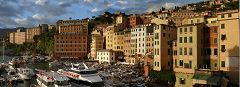 Camogli Un scorcio del porto di Camogli. Partendo di qui, in un’ideale passeggiata di 12,7 kilometri, si arriva alla Piazzetta di Portofino passando da San Fruttuoso. Non è la via più breve e neanche la [...]


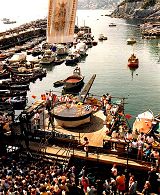 Camogli La sagra del pesce si svolge a Camogli, tutti gli anni, la seconda domenica di maggio, nella piazza del porto dove in due enormi pentoloni viene messo a friggere il pesce per la festa di San [...]
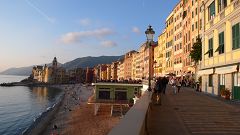 Camogli Il lungomare Giuseppe Garibaldi. Sullo sfondo, la basilica di Santa Maria Assunta che un tempo si trovava separata dalla costa da scogli e rocce; la si raggiungeva attraverso un ponte di legno. [Photo: Andrea Puggioni]
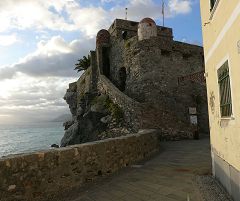 Castel Dragone (Camogli)
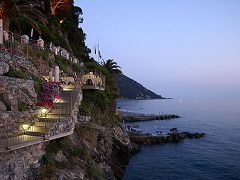 Hotel Cenobio dei Dogi (Camogli)
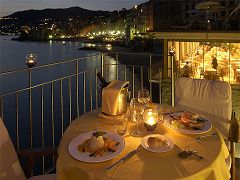 Hotel Cenobio dei Dogi (Camogli)
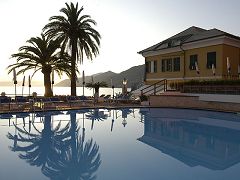 Hotel Cenobio dei Dogi (Camogli)
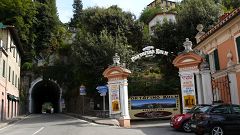 Ruta di Camogli In località Ruta, poco prima della breve galleria superata la quale inizia la discesa verso Santa Margherita (di qui sono 5 kilometri), partono sia il viale privato che sale all’ Hotel Portofino [...]
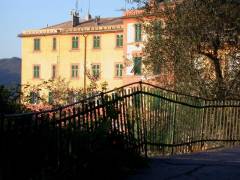 San Rocco (Camogli) Il sentiero, facile e ben tracciato, che dal belvedere di San Rocco (219 mt) scende al mare sino a Punta Chiappa, richiede circa 40 minuti di percorrenza e non presenta particolari difficoltà. A [...]
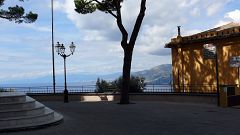 Il belvedere di San Rocco Dal sagrato antistante la chiesa partono diversi sentieri. Se ci si infila nella stradina stretta tra le case, proprio di fronte al piccolo piazzale, si scende a Camogli in meno di un’ora (2 [...]
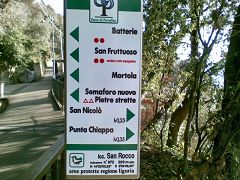 Deviazione per Punta Chiappa Lasciatisi alle spalle il belvedere di San Rocco, la deviazione per Punta Chiappa - a scendere verso il mare - porta alla chiesetta di San Nicolò in circa mezz’ora; di li a Porto Pidocchio [...]
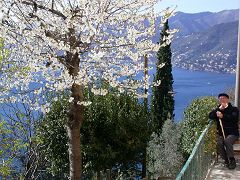 Mortola La contrada della Mortola si raggiunge con una breve passeggiata di dieci minuti a partire dal belvedere di San Rocco.
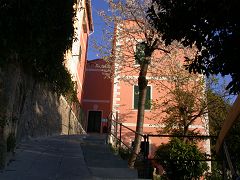 Mortola Mortola, località vicinissima a San Rocco (dal belvedere bastano 10 minuti), introduce ai tratti più impegnativi dei diversi sentieri che portano alle Batterie ( 45 minuti), al Semaforo Nuovo (1 [...]
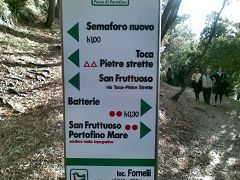 Fornelli Dal bivio in località Fornelli, si può seguire il sentiero contrassegnato con il doppio triangolo sino a salire al Semaforo Nuovo, in circa un’ora, oppure di proseguire per le Batterie (sentiero [...]
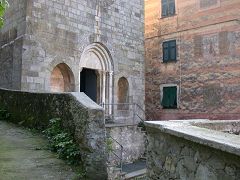 San Nicolò
 San Nicolò
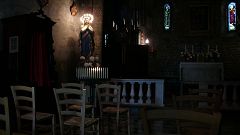 La chiesetta di San Nicolò La tranquillità del luogo che la circonda e la semplicità deii minimi spazi interni invitano al raccoglimento.
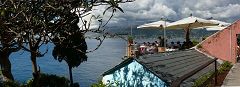 Hotel Stella Maris Il terrazzo panoramico dello Stella Maris rivolto verso il blu del mare di Camogli.
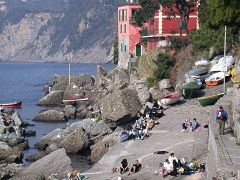 Porto Pidocchio
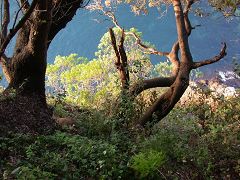 Porto Pidocchio Una veduta sul blu nei pressi di Porto Pidocchio.
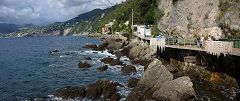 La Passerina di Porto Pidocchio La Passerina è il nomignolo con cui i pescatori di Porto Pidocchio usavano chiamare il breve tratto che va dall’ imbarcadero alla trattoria Dò Spadin. Le reti al sole si vedono ancora oggi, ma un [...]
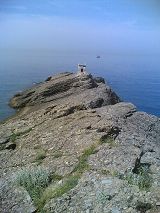 Punta Chiappa [Photo: Andrea Puggioni]
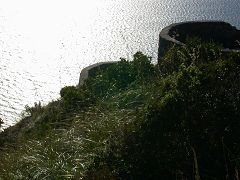 Batterie Lungo il sentiero che va da Camogli a San Fruttuoso, passato il piccolo borgo di Mortola, in località Fornelli, si trovano - sospesi a mezza costa - alcuni bunker risalenti alla seconda guerra [...]
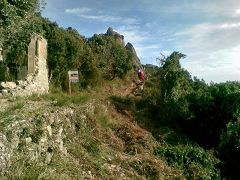 Batterie Il sentiero che di qui porta a San Fruttuoso - definito dall’ Ente Parco, molto impegnativo - è contrassegnato da due pallini rossi e richiede circa 2 ore. Di qui a Portofino occorrono 3 ore e [...]
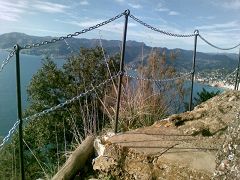 Batterie Il passaggio più alto del tratto che da San Rocco - via Fornelli - porta alle Batterie; un tragitto relativamente breve, facile e molto piacevole. E’ dalle Batterie a San Fruttuoso che occorre [...]
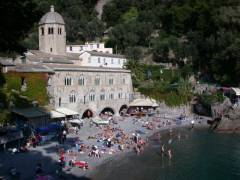 L’Abbazia di San Fruttuoso Sospesa tra storia e leggenda la costruzione dell’eremo sarebbe attribuiibile a cinque monaci spagnoli, provenienti da Terragona, che approdarono in questa insenatura (località Capodimonte) per [...]
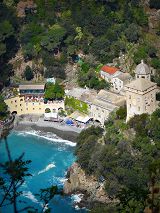 La Baia di San Fruttuoso L’Abbazia e le acque azzurre della piccola insenatura di San Fruttuoso di Camogli. [Photo: Arianna Pozzuolo]
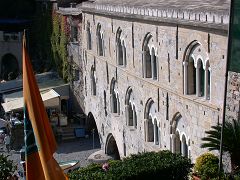 L’Abbazia di San Fruttuoso Rispetto alla costruzione originale, il chiostro fu rialzato di un piano nel XVI secolo, epoca in cui furono anche aggiunte le arcate fronte mare e il portico della chiesa. La spiaggia si formò nel [...]
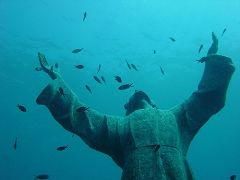 La statua del Cristo degli Abissi La statua di bronzo - alta 2,5 metri e dal 1954 collocata sul fondale della baia di San Fruttuoso, a 17 metri di profondità - fu un’idea di Duilio Marcante che pensò di commemorare la morte [...]
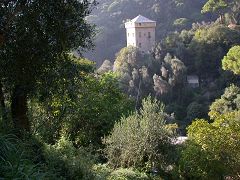 La torre Doria (Johannes Andreas Auria) La torre, disposta su tre pani, fu costruita nella seconda metà del cinquecento dagli eredi dell’ Ammiraglio Andrea Doria per proteggere il luogo dalle incursioni dei pirati. La torre Doria è [...]
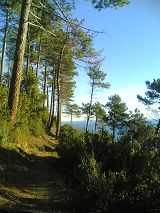 Il sentiero San Fruttuoso - Portofino Il sentiero che collega San Fruttuoso e Portofino si può percorrere in un’ora e 45 minuti circa. E’ segnato da due cerchi rossi e si svolge interamente sui suggestivi versanti marittimi del [...] [Photo: Andrea Puggioni]
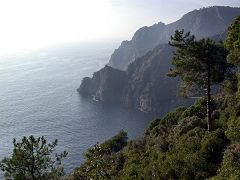 Il sentiero San Fruttuoso - Portofino Una veduta in direzione dell’insenatura di San Fruttuoso.
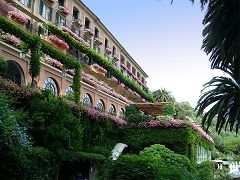 Hotel Splendido Portofino Nel cuore di una delle più affascinanti aree di macchia mediterranea, a strapiombo sul mare, l’Hotel Splendido coniuga perfettamente la bellezza di Portofino al comfort di un albergo unico nel suo [...]
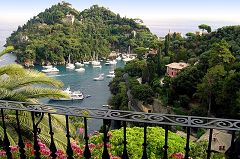 Hotel Splendido Portofino Nei giardini dell‘albergo, che dalla collina scendono verso il mare, fioriscono piante rare circondate da alberi di ulivi, mentre splendide Bugainvilleae ombreggiano i sentieri e le panchine [...]
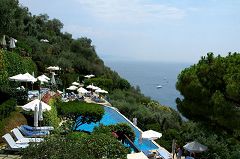 Hotel Splendido Portofino La piscina, con acqua di mare riscaldata, è immersa nel lussureggiante giardino: un angolo di paradiso per ore di puro relax con un panorama mozzafiato sul Golfo del Tigullio e la Baia di Portofino.
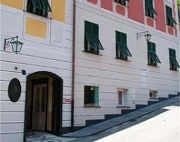 Hotel San Giorgio L’hotel San Giorgio è un tipico caseggiato ligure a cinque piani, armoniosamente integrato con la Portofino che gli sta intorno. La vista non è eccezionale ma la famosa piazzetta è a pochi passi.
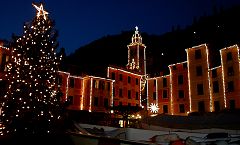 L’albero in piazzetta Durante le festività natalizie, le case che si affacciano sulla piazzetta vengono addobbate con file di luci colorate; al centro viene allestito un grande albero di Natale, gioia di grandi e piccini.
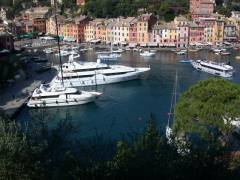 Portofino, la Calata Marconi Dal sagrato della chiesa di San Giorgio si può godere di una suggestiva veduta di Portofino e dei suoi yacht attraccati al porticciolo turistico.
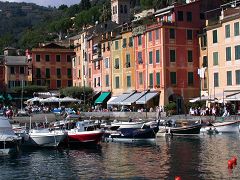 Portofino Le case affacciate sulla piazzetta.
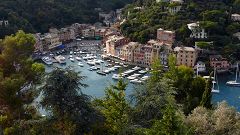 Portofino Un’ampia veduta dell’insenatura di Portofino quale è visibile dai merli del Castello Brown.
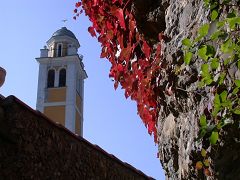 La chiesa di San Giorgio Uno scampolo del campanile della Chiesa di San Giorgio, intravisto durante la salita che dal molo Umberto I porta al sagrato della chiesa.
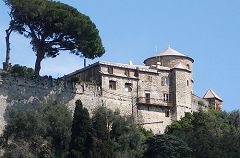 Castello Brown (Portofino) Circondato da un giardino mediterraneo, il Castello Brown deve il suo nome al console inglese Sir Montague Yeats Brown che lo acquistò nel 1870 epoca in cui la fortezza, da baluardo militarizzato [...]
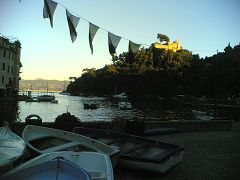 Castello Brown (Portofino) Il Castello Brown, in alto, ancora illuminato dal sole, visto dal molo Umberto I (Portofino). Le prime notizie certe dell’odierna struttura - un tempo denominata Castello di San Giorgio - risalgono [...] [Photo: Andrea Puggioni]
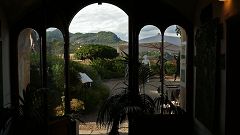 Castello Brown (Portofino)
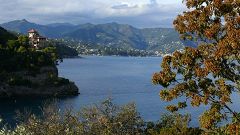 La rada di Portofino La rada di Portofino, vista dal Castello Brown.
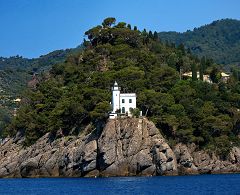 Il Faro di Portofino [Photo: Claudio Camanini]
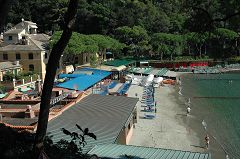 La spiaggia di Paraggi
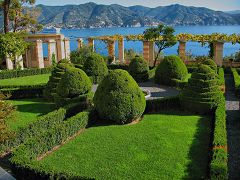 L’ Abbazia di San Girolamo (Cervara) Fondato nel 1361 come complesso monastico benedettino, l’ Abbazia della Cervara - situata tra Santa Margherita e Portofino - nel 1912 è stato dichiarata Monumento Nazionale. [Photo: Claudio Camanini]
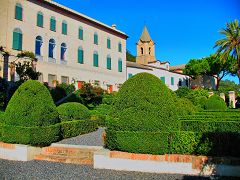 L’ Abbazia della Cervara Ritornata al suo antico splendore, l’Abbazia di San Girolamo (detta anche della Cervara) è oggi è teatro di manifestazioni, eventi culturali e mondani: è qui che ha scelto di sposarsi - il 14 [...] [Photo: Claudio Camanini]
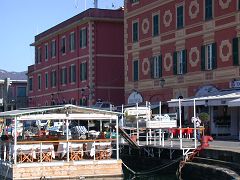 Santa Margherita, Calata del Porto
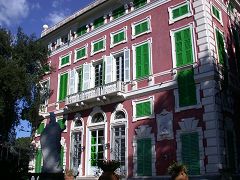 Santa Margherita, Villa Durazzo
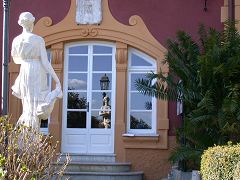 Santa Margherita, Villa Durazzo
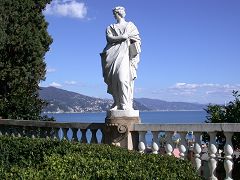 Santa Margherita, Villa Durazzo Edificata nel 1678, Villa Durazzo ha avuto molte vite ed è stata protagonista di numerose trasformazioni. Nel 1821 la famiglia Durazzo la cedette ai principi Centurioni e durante il XIX secolo il [...]
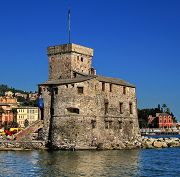 Rapallo, il Castello [Photo: Claudio Camanini]
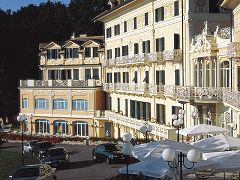 Hotel Portofino Kulm
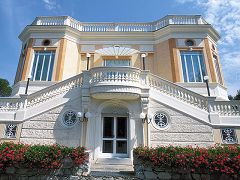 Hotel Portofino Kulm
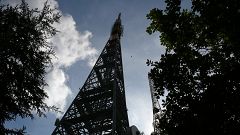 Antenne Rai Da un varco accanto alle altissime antenne della Rai - opportunamente predisposto dall’ Hotel Kulm Portofino Vetta per le escursioni dei propri ospiti - partono i Sentieri del Parco di Portofino [...]
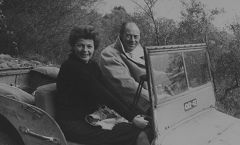 Rex Harrison e Rita Hayworth a Portofino Rita Hayworth e Rex Harrison nella loro villa a Portofino. Questo è uno degli scatti del fotoreporter Francesco Leoni (Genova, 27 settembre 1925 – Genova, 3 ottobre 2000) selezionato per la mostra [...] [Photo: Francesco Leoni]
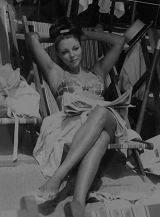 Joan Collins a Portofino Estate del ’62. Joan Collins in spiaggia a Santa Margherita Ligure. Questo è uno degli scatti del fotoreporter Francesco Leoni (Genova, 27 settembre 1925 – Genova, 3 ottobre 2000) selezionato [...] [Photo: Francesco Leoni]
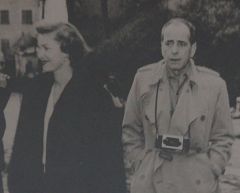 Humphrey Bogart e Lauren Bacall a Portofino In questa immagine del 1954, Humphrey Bogart e Lauren Bacall passeggiano a Portofino. Questo è uno degli scatti del fotoreporter Francesco Leoni (Genova, 27 settembre 1925 – Genova, 3 ottobre [...] [Photo: Francesco Leoni]
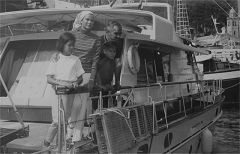 Ranieri di Monaco a Portofino Ranieri di Monaco, 10 maggio 1963; il Principe con la moglie Grace e i figli Alberto e Carolina a bordo del loro yacht a Portofino. Questo è uno degli scatti del fotoreporter Francesco Leoni [...] [Photo: Francesco Leoni]
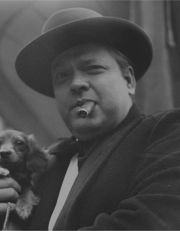 Orson Welles a Portofino Orson Welles, 17 dicembre 1957, con l’adorata cagnolina. Questo è uno degli scatti del fotoreporter Francesco Leoni (Genova, 27 settembre 1925 – Genova, 3 ottobre 2000) selezionato per la mostra [...] [Photo: Francesco Leoni]
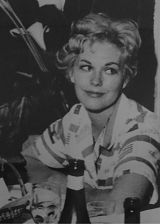 Kim Novak a Portofino Kim Novak, 9 giugno 1959, in un ristorante di Portofino. Questo è uno degli scatti del fotoreporter Francesco Leoni (Genova, 27 settembre 1925 – Genova, 3 ottobre 2000) selezionato per la mostra [...]